
Introduction to Kulfi
Kulfi is a traditional frozen dessert from South Asia, known for its dense, creamy texture and rich flavor. Often described as traditional ice cream, kulfi is made by slowly reducing milk and infusing it with nuts and aromatic spices. Unlike modern ice cream, kulfi is not churned, which gives it a firmer and more satisfying bite. It is widely enjoyed during summer months and festive occasions.
Historical and Cultural Background
Kulfi has its origins in the Mughal era, where slow-cooked milk desserts were popular in royal kitchens. Over time, kulfi became a common street dessert, sold by vendors in molds or cones. Its preparation reflects traditional cooking methods that emphasize patience and natural ingredients, making it a nostalgic treat for many people.
What Makes Kulfi Unique
The uniqueness of kulfi lies in its preparation method and texture. Milk is simmered for a long time until it thickens naturally, creating a deep, caramelized flavor. The absence of air incorporation makes kulfi denser than ice cream, allowing flavors to remain bold and concentrated.
Main Ingredients Used
Milk Base
Full-fat milk is essential for authentic kulfi. Slow reduction of milk enhances creaminess and richness. Condensed milk or khoya is sometimes added to intensify flavor and shorten cooking time while maintaining traditional taste.
Flavoring Elements
Cardamom powder is the primary spice used to flavor kulfi. Chopped nuts such as pistachios, almonds, and cashews add texture and richness. Saffron strands may also be added for aroma and color.
Milk Reduction Process
The milk is cooked on low heat for an extended period, stirred frequently to prevent burning. As it reduces, the milk thickens and develops a creamy consistency. Scraping the sides of the pan and mixing back into the milk enhances texture and flavor.
Sweetening the Kulfi Base
Sugar is added once the milk has reduced significantly. This allows better control of sweetness and prevents scorching. The mixture is cooked further until it reaches a thick, pourable consistency.
Adding Nuts and Spices
Once the base is ready, cardamom powder and chopped nuts are added. These ingredients are mixed evenly to ensure each bite of kulfi carries balanced flavor and texture. The mixture is then allowed to cool slightly before molding.
Molding and Freezing
The kulfi mixture is poured into traditional kulfi molds, small cups, or any freezer-safe container. The molds are covered tightly to prevent ice crystals and placed in the freezer for several hours until completely set.
Unmolding Technique
To remove kulfi from molds, the outer surface is briefly dipped in warm water. This loosens the edges and allows the kulfi to slide out smoothly without breaking its shape.
Texture and Flavor Profile
Kulfi has a dense, creamy, and slightly chewy texture. The flavor is rich and milky with fragrant notes of cardamom and saffron. Nuts provide a pleasant crunch that contrasts beautifully with the smooth base.
Serving Suggestions
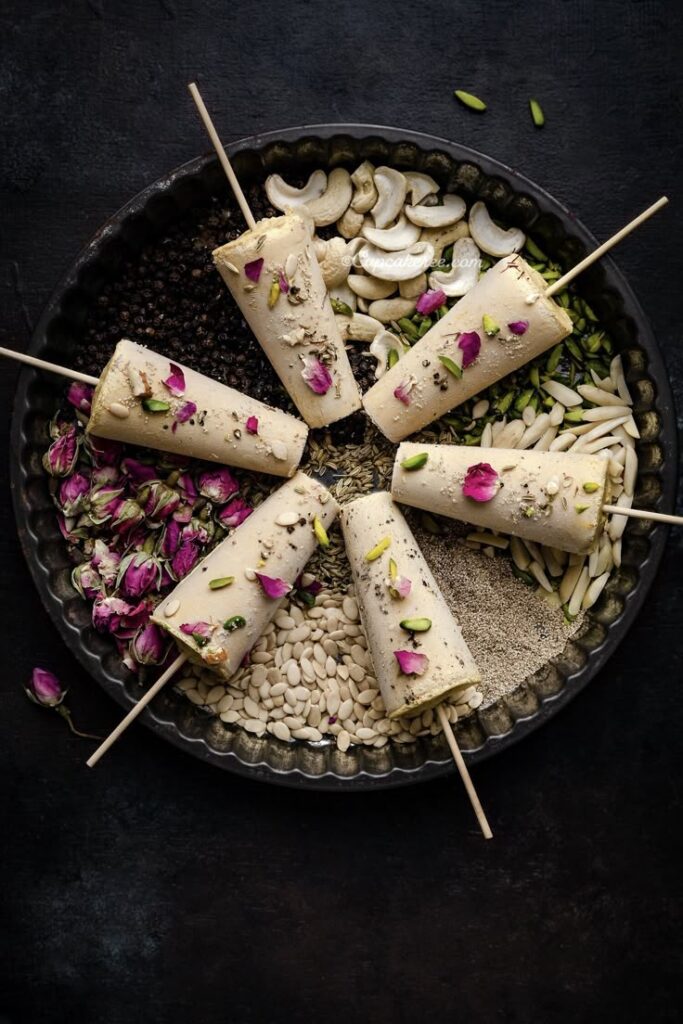
Kulfi is traditionally served on a stick or sliced and garnished with chopped nuts. It pairs well with falooda, rose syrup, or fresh fruit. Serving kulfi slightly softened enhances its flavor and mouthfeel.
Popular Variations of Kulfi
Common variations include malai kulfi, pista kulfi, mango kulfi, and kesar kulfi. Fruit-based versions use natural fruit pulp mixed into the milk base, while nut-based versions focus on richness and aroma.
Common Mistakes to Avoid
Cooking milk on high heat can cause burning and uneven flavor. Infrequent stirring may lead to sticking at the bottom of the pan. Adding too much sugar early can affect texture, so timing is important.
Nutritional Value
Kulfi is high in calcium, protein, and energy due to its milk content. Nuts add healthy fats and minerals. As a rich dessert, it is best enjoyed in moderation.
Why Kulfi Is So Popular
Kulfi is loved for its authentic taste, traditional preparation, and satisfying texture. It evokes childhood memories and cultural heritage, making it more than just a dessert.
Conclusion
Kulfi is a timeless frozen dessert that showcases the beauty of slow cooking and natural ingredients. Its rich flavor, dense texture, and cultural significance make it a favorite across generations. Whether enjoyed plain or with creative additions, kulfi remains a symbol of traditional sweetness and indulgence.