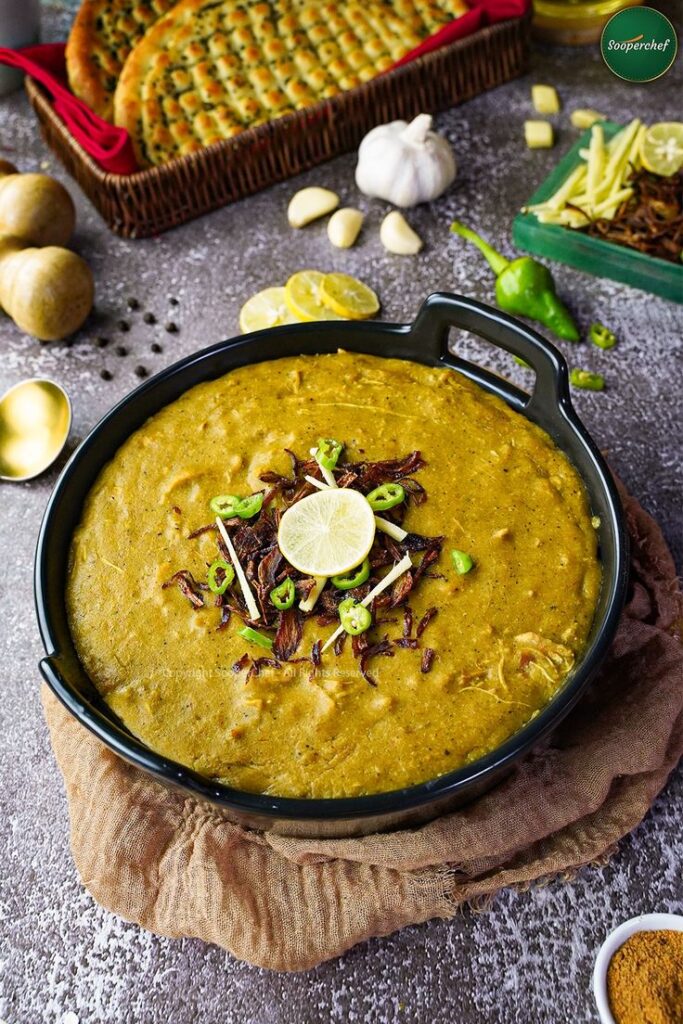

Introduction to Haleem
Haleem is a rich and hearty traditional dish widely enjoyed in South Asia and the Middle East. It is known for its thick, smooth texture and deep savory flavor developed through slow cooking. Haleem is made by blending meat, lentils, wheat, and aromatic spices into a wholesome meal that is both filling and nutritious. It is especially popular during Ramadan, Muharram, and winter seasons.
Historical Background of Haleem
The roots of haleem trace back to ancient Middle Eastern cuisine, where a similar dish called harees was prepared. As it traveled to the Indian subcontinent, local spices and cooking techniques transformed it into the haleem known today. Over time, it became a cultural and religious symbol, often prepared in large quantities and shared within communities.
What Makes Haleem Unique
Haleem is unique because of its slow-cooked process and paste-like consistency. Unlike curries or stews, all ingredients are cooked together for hours and then blended to achieve a uniform texture. The long cooking time allows flavors to fully develop, resulting in a deep, comforting taste that cannot be rushed.
Main Ingredients Used
Grains and Lentils
Cracked wheat is the base of haleem, giving it body and thickness. A combination of lentils such as chana dal, masoor dal, moong dal, and urad dal adds nutrition and richness. These grains and lentils are soaked beforehand to ensure smooth cooking.
Meat Selection
Traditionally, beef or mutton is used for haleem, though chicken is also a popular option for a lighter version. Bone-in meat is preferred as it adds depth of flavor to the dish during slow cooking.
Spices and Aromatics
Whole spices like cinnamon, bay leaves, cloves, cardamom, and black pepper are used to build aroma. Ginger, garlic, onions, and green chilies provide warmth and sharpness, while garam masala enhances the final flavor.
Preparation Process
Grains and lentils are soaked separately for several hours. Meat is washed and cooked with basic spices, ginger, garlic, and onions until tender. The grains and lentils are boiled until very soft, then mashed or blended into a thick paste.
Cooking the Haleem Base
Meat Cooking Stage
The meat is slow-cooked with onions, ginger, garlic, and spices until it becomes tender enough to shred easily. Once cooked, the meat is shredded finely and returned to the pot to ensure even distribution.
Combining Grains and Meat
The blended lentil and wheat mixture is added to the meat pot. This mixture is cooked on low heat for a long duration, stirred continuously to prevent sticking. This step is crucial for achieving the smooth, creamy texture haleem is known for.
Slow Cooking Technique
Haleem requires patience and constant stirring. Cooking on low heat allows the ingredients to break down completely and blend into one another. Traditional haleem is cooked for several hours, which deepens the flavor and improves consistency.
Texture and Flavor Profile
The final texture of haleem is thick, velvety, and slightly stretchy due to the wheat. The flavor is savory, mildly spicy, and deeply aromatic. Each spoonful delivers warmth and richness without being overly heavy.
Garnishing and Finishing Touches
Haleem is traditionally garnished with fried onions, fresh coriander, mint leaves, sliced green chilies, lemon wedges, and ginger juliennes. A drizzle of ghee enhances aroma and adds richness just before serving.
Serving Suggestions
Haleem is best served hot and fresh. It is commonly enjoyed on its own, but some prefer serving it with naan or plain bread. Lemon juice and fresh herbs on top balance the richness and elevate the overall taste.
Popular Variations of Haleem
Different regions prepare haleem with slight variations. Hyderabadi haleem is famous for its strong spice blend and silky texture. Pakistani haleem is often thicker and richer, while Middle Eastern versions are lighter and less spicy.
Common Cooking Mistakes
Insufficient soaking of grains can result in a coarse texture. Cooking on high heat may cause burning at the bottom of the pot. Skipping continuous stirring can lead to uneven consistency, so patience is essential.
Nutritional Benefits
Haleem is a highly nutritious dish packed with protein, fiber, and essential minerals. The combination of meat, lentils, and wheat makes it a complete meal that provides long-lasting energy and supports muscle health.
Why Haleem Is Widely Loved
Haleem is cherished for its comforting nature, rich taste, and cultural significance. It brings people together during religious occasions and family gatherings. Its slow-cooked depth and wholesome ingredients make it a timeless favorite across generations.