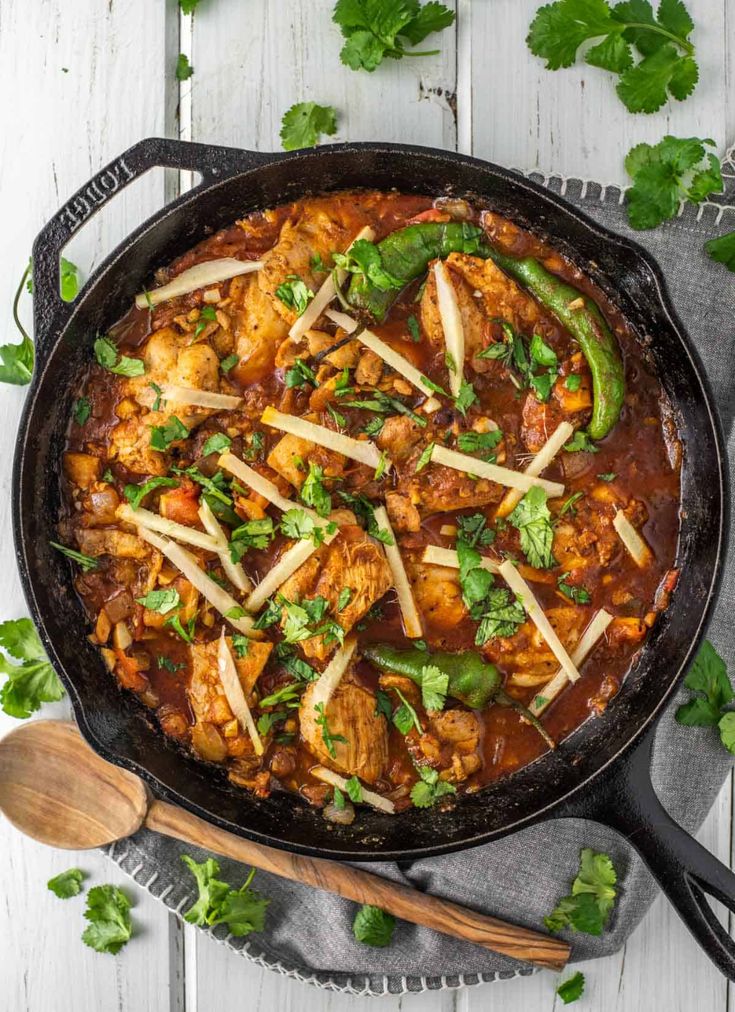

Introduction to Chicken Karahi
Chicken Karahi is one of the most loved dishes in South Asian cuisine, especially in Pakistan and North India. This dish is famous for its rich tomato-based gravy, bold spices, and unique cooking style in a thick, deep pan known as a karahi. Unlike many curries, Chicken Karahi does not rely heavily on onions or long marination. Instead, it focuses on fresh ingredients, high heat cooking, and simple yet powerful spices that bring out the natural flavor of chicken. Because of its freshness and aroma, Chicken Karahi is commonly served at restaurants, roadside dhabas, family gatherings, and special occasions.
Origin and Cultural Importance
The word karahi refers both to the dish and the cooking utensil used to prepare it. Traditionally made of iron or steel, the karahi allows even heat distribution and fast cooking. Chicken Karahi originated in the Khyber Pakhtunkhwa and Punjab regions and later became popular across the subcontinent. It is often enjoyed with naan, tandoori roti, or chapati and is usually prepared fresh upon order, making it a symbol of hospitality and freshness in local food culture.
Key Characteristics of Chicken Karahi
What makes Chicken Karahi different from other chicken curries is its thick, glossy gravy and strong aroma of ginger, garlic, and green chilies. The dish is cooked on high flame, which helps evaporate excess moisture and intensify flavors. Fresh tomatoes are crushed and cooked until oil separates, giving the karahi its signature texture. Minimal spices are used, but each one plays an important role in building flavor.
Ingredients Required
Main Ingredients
Fresh chicken cut into medium pieces is the base of this recipe. Bone-in chicken is preferred because it adds more flavor to the gravy. Ripe tomatoes are essential, as they create the thick masala that defines Chicken Karahi. Fresh ginger and garlic are used generously to enhance aroma and taste.
Spices and Seasonings
Common spices include red chili powder for heat, crushed black pepper for depth, coriander seeds for mild earthiness, and salt to balance flavors. Green chilies add freshness and sharpness, while garam masala is added at the end to boost aroma. Fresh coriander leaves and ginger juliennes are used for garnish.
Preparation Before Cooking
Before starting, wash the chicken thoroughly and let excess water drain. Crush or blend the tomatoes into a coarse paste without adding water. Finely chop garlic and ginger or prepare a paste. Slit the green chilies lengthwise to release flavor without overpowering the dish. Keeping all ingredients ready helps maintain the fast cooking process that Chicken Karahi requires.
Step-by-Step Cooking Method
Heating the Karahi
Place a heavy-bottomed karahi or deep pan on medium-high heat and add cooking oil. Let the oil heat properly before adding garlic and ginger. Sauté briefly until fragrant, being careful not to burn them, as this can make the dish bitter.
Cooking the Chicken
Add the chicken pieces to the hot oil and sauté on high heat. Stir continuously so the chicken sears evenly from all sides. This step locks in juices and adds a light golden color to the meat. Cook until the chicken changes color and releases its natural moisture.
Adding Tomatoes and Spices
Once the chicken starts releasing oil, add the crushed tomatoes along with salt, red chili powder, and crushed coriander seeds. Mix well and cook on high heat. Stir frequently to prevent sticking. The tomatoes will soften, reduce, and eventually form a thick masala.
Bhuna Process
The bhuna process is the heart of Chicken Karahi. Continue cooking until the oil separates from the tomato mixture. This step intensifies flavor and removes rawness from tomatoes. Adjust heat as needed but avoid adding water, as authentic Chicken Karahi is dry and thick.
Final Flavor Boost
Add slit green chilies, crushed black pepper, and garam masala. Stir gently and cook for a few more minutes. Finish with freshly chopped coriander leaves and ginger juliennes. Cover the karahi for two minutes to allow flavors to blend.
Texture and Taste Profile
Chicken Karahi has a semi-dry consistency with a thick coating of masala on each piece of chicken. The taste is spicy, tangy, and aromatic without being overly heavy. Fresh tomatoes give a slight sourness, while green chilies and black pepper provide sharp heat. The absence of onions keeps the dish light and fresh.
Serving Suggestions
Chicken Karahi is best served hot, straight from the karahi. It pairs perfectly with naan, roghni naan, or tandoori roti. For a complete meal, serve it with sliced onions, lemon wedges, and green chutney on the side. A simple salad and chilled yogurt drink complement the spicy flavors well.
Tips for Perfect Chicken Karahi
Always use fresh tomatoes instead of canned for authentic taste. Cook on high heat to achieve the correct texture and avoid excess gravy. Do not overcook the chicken, as it can become dry. Adjust green chilies according to spice tolerance, but avoid reducing them too much, as they are key to the dish’s identity.
Variations of Chicken Karahi
Some people prefer white karahi, which uses yogurt and cream instead of tomatoes. Others add a small amount of butter at the end for richness. Boneless chicken can be used, but bone-in pieces provide better flavor. Regional variations may include additional spices, but the classic version remains the most popular.
Nutritional Value
Chicken Karahi is rich in protein due to its high chicken content. It is relatively low in carbohydrates since it does not contain onions or cream. Tomatoes provide vitamins and antioxidants, while spices aid digestion. When cooked with moderate oil, it can be a balanced part of a healthy diet.
Why Chicken Karahi Is Universally Loved
The popularity of Chicken Karahi comes from its simplicity and bold flavor. It does not require complicated techniques or rare ingredients, yet it delivers restaurant-quality taste. Its fresh aroma, vibrant color, and satisfying spice level make it a favorite among home cooks and professional chefs alike.
Conclusion
Chicken Karahi is more than just a recipe; it is a celebration of traditional cooking methods and fresh ingredients. Its quick preparation, rich taste, and cultural significance make it a timeless dish. Whether cooked at home or enjoyed at a restaurant, Chicken Karahi continues to hold a special place in South Asian cuisine and remains a must-try dish for anyone who loves bold and authentic flavors.